Effective Strategies for Negotiating Lower Interest Rates

Lower Interest

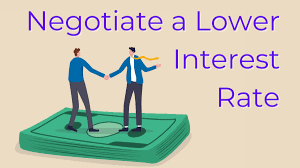
High interest rates can significantly increase the total cost of debt, making it more challenging to pay off balances. Negotiating lower interest rates with creditors is an effective way to reduce financial strain and accelerate debt repayment. Here are proven strategies to help you successfully negotiate a reduction in interest rates.


1. Know Your Credit Score

  • Why It Matters: Your credit score is a key factor that creditors consider when adjusting interest rates. A higher credit score demonstrates financial responsibility and increases your bargaining power.
  • How to Do It:
    • Check your credit score through a reputable credit bureau or financial institution.
    • Ensure your credit report is free of errors that could negatively affect your score.
    • Highlight recent improvements in your credit score when negotiating with creditors.

2. Research Market Rates

  • Why It Matters: Understanding current interest rate trends gives you leverage by showing creditors that lower rates are available elsewhere.
  • How to Do It:
    • Compare rates for similar products from other lenders or financial institutions.
    • Be prepared to mention these rates during negotiations to demonstrate that you have alternatives.

3. Prepare Your Financial Case

  • Why It Matters: Creditors are more likely to reduce your interest rate if you can present a compelling financial case.
  • How to Do It:
    • Highlight your history of on-time payments.
    • Provide evidence of stable income or improved financial circumstances.
    • Explain why a lower interest rate would help you stay current on payments and reduce the risk of default.

4. Contact the Right Department

  • Why It Matters: Speaking with the appropriate department ensures your request is handled by someone authorized to make changes.
  • How to Do It:
    • Call the customer service number on your account statement and ask to speak with a supervisor or retention department.
    • If possible, request to be transferred to the “hardship” or “rate adjustment” department.

5. Use Polite but Firm Language

  • Why It Matters: Maintaining a respectful and confident tone can improve the likelihood of a positive outcome.
  • How to Do It:
    • Start by stating your request clearly: “I’d like to discuss lowering the interest rate on my account.”
    • Be polite but assertive: “I’ve been a loyal customer for several years and would appreciate a rate adjustment to better align with my financial goals.”

6. Leverage Your Loyalty

  • Why It Matters: Creditors value long-term customers and may be more inclined to accommodate your request to retain your business.
  • How to Do It:
    • Mention how long you’ve been a customer and your history of responsible account management.
    • Point out your willingness to continue using their services if they adjust your rate.

7. Mention Competitor Offers

  • Why It Matters: Highlighting competitive rates from other lenders can motivate creditors to match or beat those offers.
  • How to Do It:
    • State specific rates or offers you’ve received from competitors.
    • Emphasize that you are considering transferring your balance unless they offer a competitive rate.

8. Request a Temporary Rate Reduction

  • Why It Matters: Even if a permanent rate reduction isn’t possible, a temporary reduction can still provide relief.
  • How to Do It:
    • Explain any short-term financial difficulties you’re experiencing.
    • Request a reduced rate for a specific period (e.g., six months) to help you manage your payments during challenging times.

9. Consider a Balance Transfer as Leverage

  • Why It Matters: The threat of transferring your balance to a card with a lower rate can push creditors to negotiate.
  • How to Do It:
    • Research credit cards offering low or 0% introductory rates for balance transfers.
    • Inform your creditor that you’re considering transferring your balance unless they adjust your rate.

10. Get the Agreement in Writing

  • Why It Matters: Verbal agreements can lead to misunderstandings. Written confirmation ensures clarity and protects you from disputes.
  • How to Do It:
    • Ask the creditor to send you a confirmation of the new rate and terms in writing or via email.
    • Review the document carefully to ensure it reflects the agreed terms.

Bonus Tips for Success

  • Be Persistent: If the first representative denies your request, politely escalate the matter to a supervisor or call back another time.
  • Timing Matters: Contact creditors when you’re in good financial standing, such as after paying off a significant portion of the debt or improving your credit score.
  • Stay Calm and Professional: Negotiations are more likely to succeed when you remain composed and solution-focused.

Conclusion

Negotiating lower interest rates requires preparation, persistence, and effective communication. By presenting a strong financial case, leveraging your loyalty, and exploring alternative options, you can significantly reduce the cost of your debt and accelerate your journey to financial freedom. Remember, the key is to advocate for yourself confidently while maintaining a cooperative tone with your creditors.

How to Be Prepared for Negotiating with Creditors

negotiating with creditors

Negotiating with creditors can feel intimidating, but proper preparation is key to achieving favorable outcomes. Whether you’re seeking lower interest rates, a payment plan, or a debt settlement, being organized and informed can significantly increase your chances of success. Here are the steps to prepare effectively for negotiations with creditors.


1. Understand Your Financial Situation

  • Why It Matters: Before entering negotiations, it’s essential to have a clear picture of your financial health. Creditors are more likely to cooperate if you demonstrate that you’ve assessed your situation and are making a genuine effort to address your debts.
  • How to Do It:
    • List all your debts, including the amount owed, interest rates, and minimum payments.
    • Calculate your total income and monthly expenses to determine how much you can realistically afford to pay toward your debts.

2. Know Your Rights as a Debtor

  • Why It Matters: Familiarity with consumer protection laws empowers you to negotiate from a position of strength and avoid being misled or harassed.
  • Key Points:
    • Understand the Fair Debt Collection Practices Act (FDCPA), which prohibits abusive practices by debt collectors.
    • Research state-specific laws on debt collection and creditor practices.
    • Creditors cannot take actions like garnishing wages or repossessing assets without proper legal procedures.

3. Gather Relevant Documentation

  • Why It Matters: Being prepared with accurate information and supporting documents shows creditors you’re serious and organized.
  • What to Collect:
    • Recent account statements for each debt.
    • A written budget detailing your income, expenses, and repayment capabilities.
    • Any correspondence with creditors or collection agencies.
  • Tip: Keep everything in one folder or file for easy reference during discussions.

4. Define Your Negotiation Goals

  • Why It Matters: Clear objectives help you stay focused and guide the conversation with creditors.
  • Possible Goals:
    • Requesting a lower interest rate.
    • Proposing a temporary payment reduction or forbearance period.
    • Negotiating a settlement for less than the total amount owed.
    • Asking for a payment plan with manageable terms.

5. Research Your Creditor’s Policies

  • Why It Matters: Different creditors have varying policies on negotiating debt. Knowing what they’re likely to accept can help you craft realistic proposals.
  • How to Do It:
    • Search online for information about the creditor’s negotiation practices.
    • Read reviews or experiences shared by others who’ve negotiated with the same creditor.
    • Contact the creditor’s customer service to ask about hardship programs or options for repayment.

6. Anticipate Objections and Prepare Responses

  • Why It Matters: Creditors may be reluctant to agree to your terms initially. Preparing for common objections ensures you’re not caught off guard.
  • How to Do It:
    • If they question your ability to pay, explain your financial challenges and provide evidence (e.g., medical bills, pay stubs).
    • If they insist on full payment, highlight the risk of default and how your proposal benefits both parties.

7. Decide Whether to Negotiate on Your Own or Seek Help

  • Why It Matters: Some individuals prefer to handle negotiations personally, while others may benefit from professional assistance.
  • Options:
    • Negotiating with creditors if you feel confident and prepared.
    • Work with a credit counselor or debt settlement company to mediate on your behalf. Ensure they are reputable and licensed.

8. Practice Your Negotiation Skills

  • Why It Matters: Confidence and effective communication can make a big difference in how creditors respond to your requests.
  • How to Do It:
    • Practice explaining your financial situation and your proposal clearly and calmly.
    • Role-play potential scenarios with a friend or family member.
    • Focus on being polite, firm, and solution-oriented during the conversation.

9. Be Realistic About What You Can Offer

  • Why It Matters: Overpromising payments you can’t afford will only lead to further financial trouble.
  • How to Do It:
    • Calculate the maximum amount you can pay without jeopardizing essential expenses.
    • Offer terms you know you can stick to and explain why they are reasonable.

10. Prepare to Get Everything in Writing

  • Why It Matters: Verbal agreements may not hold up if there’s a dispute later. Always request written confirmation of any negotiated terms.
  • How to Do It:
    • At the end of negotiations, ask for a written agreement outlining the new terms.
    • Review the document carefully to ensure accuracy before signing or making payments.

Conclusion

Preparing for negotiations with creditors is an essential step in managing your debts effectively. By understanding your financial situation, setting realistic goals, and anticipating potential challenges, you can approach negotiations confidently and increase your chances of reaching favorable terms. Remember, preparation and persistence are your greatest tools in this process.

How to Avoid Accumulating More Debt While Paying Off Debt

avoid accumulating debt

Managing debt can be challenging, but to avoid accumulating more debt while repaying existing obligations is critical to achieving financial freedom. Here are practical strategies to help you stay out of debt and maintain control over your finances during the repayment process.


1. Create and Stick to a Budget

  • Why It Matters: A budget ensures you track income and expenses, preventing unnecessary overspending.
  • How to Do It:
    1. List all sources of income and monthly expenses.
    2. Categorize expenses into fixed (rent, utilities) and variable (entertainment, dining out).
    3. Allocate a portion of your income toward debt repayment while maintaining essential expenses.
  • Tip: Use budgeting apps or tools to simplify tracking and adjustments.

2. Cut Back on Non-Essential Spending

  • Why It Matters: Reducing discretionary expenses frees up money for debt repayment.
  • How to Do It:
    • Limit dining out, subscriptions, and impulse purchases.
    • Opt for free or low-cost activities like cooking at home or community events.
    • Focus on needs over wants to prioritize financial goals.

3. Build an Emergency Fund

  • Why It Matters: Having an emergency fund prevents reliance on credit cards or loans for unexpected expenses.
  • How to Do It:
    • Aim to save at least $500–$1,000 initially, then grow it to cover 3–6 months of living expenses.
    • Set up automatic transfers to a dedicated savings account for consistency.

4. Use Cash or Debit for Daily Expenses

  • Why It Matters: Paying with cash or debit ensures you spend only what you have, avoiding new debt.
  • How to Do It:
    • Withdraw a set amount of cash for weekly expenses.
    • Use a debit card instead of a credit card for everyday purchases.

5. Avoid New Credit Card Debt

  • Why It Matters: Credit card debt often carries high-interest rates, making it harder to pay off.
  • How to Do It:
    • Use credit cards only if you can pay the full balance monthly.
    • Consider freezing credit card usage temporarily or keeping cards out of reach.

6. Set Clear Financial Goals

  • Why It Matters: Having specific goals keeps you motivated and focused on debt repayment.
  • How to Do It:
    • Define short-term and long-term goals, such as paying off a specific debt or saving for a major purchase.
    • Write down your goals and review them regularly to stay on track.

7. Avoid Lifestyle Inflation

  • Why It Matters: Increased income shouldn’t lead to increased spending that creates more debt.
  • How to Do It:
    • When you receive a raise, bonus, or windfall, allocate the extra funds to debt repayment or savings.
    • Resist upgrading your lifestyle until you’re debt-free.

8. Develop a Debt-Free Mindset

  • Why It Matters: Changing your mindset helps you prioritize long-term financial health over short-term gratification.
  • How to Do It:
    • Educate yourself on personal finance through books, podcasts, or courses.
    • Remind yourself of the benefits of being debt-free, such as reduced stress and financial freedom.

9. Plan for Large Expenses in Advance

  • Why It Matters: Planning prevents relying on credit cards or loans for big purchases.
  • How to Do It:
    • Save up for planned expenses like vacations, holidays, or car maintenance.
    • Create sinking funds by setting aside small amounts each month for these costs.

10. Monitor Your Progress Regularly

  • Why It Matters: Tracking your progress keeps you accountable and helps you adjust strategies as needed.
  • How to Do It:
    • Review your budget and debt repayment plan monthly.
    • Celebrate small milestones, such as paying off a specific debt or reaching a savings goal.

Conclusion

Hopefully this helps to avoid accumulating more debt while repaying existing obligations requires discipline, planning, and a commitment to financial health. By budgeting, cutting unnecessary expenses, and focusing on long-term goals, you can prevent new debt from piling up and stay on track toward financial freedom. Remember, every small step counts—consistency is the key to success.

The Debt Snowball vs. Debt Avalanche Methods


When it comes to paying off multiple debts, two popular strategies are often recommended: the Debt Snowball method and the Debt Avalanche method. Each approach has its pros and cons. The best choice for you depends on your financial situation, goals, and motivation. Let’s explore how these strategies work and their impact on debt repayment.


1. Debt Snowball Method

Overview: The Debt Snowball method focuses on paying off your smallest debt first while making minimum payments on larger debts. Once you clear the smallest debt, you move to the next smallest. This “snowball effect” accelerates your progress as you eliminate each debt.

How It Works:

  1. List your debts from smallest to largest balance, ignoring interest rates.
  2. Pay off the smallest debt first while making minimum payments on others.
  3. Once the smallest debt is cleared, direct those payments to the next smallest debt.
  4. Repeat until all debts are paid off.

Benefits:

  • Quick Wins: Paying off small debts quickly provides a psychological boost. These early victories can motivate you to keep going.
  • Increased Motivation: Seeing progress builds a sense of accomplishment and helps you stay focused.
  • Simplicity: The approach is straightforward, making it easy to follow.

Drawbacks:

  • Higher Interest Costs: You may pay more in interest overall since this method doesn’t prioritize high-interest debts.

2. Debt Avalanche Method

Overview: The Debt Avalanche method focuses on paying off debts with the highest interest rate first. This approach minimizes the total interest paid over time. Once the highest-interest debt is gone, you move to the next highest rate.

How It Works:

  1. List your debts from highest to lowest interest rate.
  2. Focus on paying off the debt with the highest rate while making minimum payments on others.
  3. Once the highest-interest debt is gone, move to the next highest rate.
  4. Continue until all debts are cleared.

Benefits:

  • Lower Interest Costs: Targeting high-interest debts first saves money by reducing total interest paid.
  • Faster Debt Elimination: The Avalanche method allows you to pay off your debts more quickly in the long run.
  • Efficiency: This approach is mathematically optimal for saving on interest.

Drawbacks:

  • Delayed Gratification: Paying off high-interest debts may take longer, especially if they have large balances. This can feel discouraging.
  • Complexity: Tracking interest rates and payment schedules may be challenging for beginners.

Debt Snowball vs. Debt Avalanche: Which Is Best?

The choice between these two methods depends on your preferences and financial goals.

  • Choose the Debt Snowball if you need quick wins to stay motivated. This method is ideal for those who want to build momentum by tackling smaller debts first.
  • Choose the Debt Avalanche if your goal is to minimize interest payments. It works well for those who are disciplined and focused on saving money in the long term.

Conclusion

Both the Debt Snowball and Debt Avalanche methods can help you reduce and eliminate debt. Success depends on choosing the approach that suits your personality and financial situation. Whether you prefer the motivation of the Debt Snowball or the cost-saving benefits of the Debt Avalanche, staying consistent with your plan is key to achieving financial freedom.

Understanding Debt: Types and Categories

Understanding Debt

Debt is a financial obligation that occurs when an individual or organization borrows money with the promise to repay it, usually with interest, over a specific period. Understanding the various types of debt and their characteristics is crucial for managing personal finances effectively. Here’s an overview of the most common types of debt:


1. Secured Debt

  • Definition: Secured debt is backed by collateral—an asset that the lender can claim if the borrower defaults on the loan.
  • Examples: Mortgages, car loans, and home equity loans.
  • Characteristics:
    • The borrower is required to pledge a specific asset to secure the loan.
    • If the borrower fails to make payments, the lender has the right to seize the asset.
    • Interest rates for secured debts are generally lower because the lender has less risk, due to the collateral.

2. Unsecured Debt

  • Definition: Unsecured debt is not backed by any specific asset or collateral. If the borrower defaults, the lender cannot directly seize property but can pursue legal action.
  • Examples: Credit card debt, medical bills, personal loans.
  • Characteristics:
    • Since there is no collateral, unsecured loans tend to have higher interest rates.
    • Lenders rely on the borrower’s creditworthiness to determine whether to approve the loan.
    • Defaulting on unsecured debt can lead to collections, legal actions, or a negative impact on credit scores.

3. Revolving Debt

  • Definition: Revolving debt allows borrowers to borrow up to a certain limit and pay it off over time while being able to borrow again as needed.
  • Examples: Credit cards, home equity lines of credit (HELOC).
  • Characteristics:
    • As the borrower repays the debt, their credit limit is replenished, allowing them to borrow again.
    • This type of debt offers flexibility, but interest rates can be high, especially on credit cards.
    • It’s important to manage revolving debt responsibly to avoid accumulating large amounts of interest.

4. Installment Debt

  • Definition: Installment debt requires borrowers to repay the loan in fixed payments (installments) over a set period of time.
  • Examples: Personal loans, student loans, mortgages, auto loans.
  • Characteristics:
    • Each payment consists of both principal and interest, making it easier for borrowers to plan their finances.
    • Interest rates for installment debt can vary depending on the loan type, term, and the borrower’s credit score.
    • These loans are often easier to manage because the payment schedule is fixed.

5. Bad Debt vs. Good Debt

  • Bad Debt: Typically refers to high-interest debt used to purchase non-essential items, like credit card debt for lifestyle spending.
  • Good Debt: Refers to debt used for investments that may increase in value over time or improve financial stability, such as a mortgage or student loans for higher education.
  • Key Consideration: Understanding the difference between good and bad debt can help in making informed decisions about borrowing and repayment strategies.

6. Private vs. Government Debt

  • Private Debt: Debt incurred from private institutions like banks, credit unions, or online lenders.
  • Government Debt: Debt issued or guaranteed by a government entity, such as federal student loans or bonds issued by government agencies.
  • Characteristics:
    • Government debt often comes with lower interest rates and more flexible repayment terms.
    • Private debt can have more stringent terms and less flexibility in repayment.

Conclusion

Understanding the different types of debt is vital in creating a personal finance strategy. Knowing the risks and benefits of each category helps borrowers make informed decisions about borrowing, repayment, and avoiding debt accumulation. Managing debt wisely can ensure financial stability and prevent debt-related stress.

Bankruptcy as an Option: What You Need to Know

Bankruptcy As an Option

When debt becomes so crushing, bankruptcy as an option is the last resort, and although it may give you a fresh lease on life, it can be very damaging. You can be well-informed about what bankruptcy is, what kinds of bankruptcy are out there, who is eligible and what your options may be if you’re thinking about filing for bankruptcy. What bankruptcy can do for you as a debt remedy: Here is a brief primer.

What is Bankruptcy? 

Bankruptcy is a legal procedure to discharge or pay off debt under the supervision of a bankruptcy court. By going bankrupt, creditors can no longer pursue you with lawsuits, wage garnishments, or repossessions. But it’s a massive jump to make only after everything else has failed because it lasts for a very long time in your financial future.

Types of Bankruptcy for Individuals 

For people, bankruptcy has two main forms, Chapter 7 and Chapter 13. There are qualifications, procedures and results for each.

1.  Chapter 7 Bankruptcy (Liquidation) 

– Description: Chapter 7 (aka “liquidation bankruptcy”) is used to wipe out the majority of unsecured debts like credit card balances, medical bills, and personal loans. During the sale, part of your assets will be sold to pay off debtors.

– Eligibility: To qualify, you have to take a “means test” which compares your income. You may be able to claim Chapter 7 if your income is below the state median or you have very little in the way of savings.

– Procedure: After filing, a trustee is appointed to manage your case and liquidate non-exempt assets to settle creditors. After that, the majority of your unsecured debts are forgiven.

– Effect: Chapter 7 usually appears on your credit report for 10 years which has major impact on how much credit and loans you can get in the future.

2.  Chapter 13 Bankruptcy (Reorganization) 

– Context: Chapter 13 (or “reorganization bankruptcy”) will let you keep what you own and implement a repayment plan to repay part or all of your debt over the course of 3 to 5 years.

– Qualifications: Chapter 13 is only for regular earners who qualify for certain debt amounts. Chapter 13 might be the answer if you are stable in income but want to make payments but need help with payment.

– Repayment Plan: You’ll agree with the court to a plan of repayment based on income and debt. When the plan is complete, unused credit lines are forgiven.

– Consequences: Chapter 13 is a 7 year stay on your credit report and you keep most or all of your assets. It could be less damaging than Chapter 7 because you are paying at least some of the debt back.

Pros of Bankruptcy As an Option

1.  Relief From Debt: Bankruptcy can pay off or discharge most of your debt and relieve you from financial worries.

2.  Automatic Stay Protection: When you go bankrupt, an automatic stay automatically protects you from collections from creditors through lawsuits, wage garnishments and harassing.

3.  New Life: With bankruptcy, you can start over from the beginning, if you’re in extreme debt.

Cons of Bankruptcy As an Option

1.  Impact on Credit: Bankruptcy negatively affects your credit score and stays on your report for 7-10 years and will affect how much money you can borrow, obtain credit and even lose a job.

2.  Disposal of Assets (Chapter 7): If you file under Chapter 7 bankruptcy, you might have to give up some of your assets in order to pay creditors.

3.  None of These Debts Are Cancelled: There are some debts that are generally not canceled, such as student debt, alimony, child support and taxes.

4.  Costs and Fees: Bankruptcy is expensive with filing fees, attorney fees, and more.

Alternatives to Bankruptcy 

Since bankruptcy can hurt your financial health in the long run, you will need to think about other debt relief first. Alternatives include: 

  1. Debt Settlement: Working with creditors to settle the debt for you usually with a debt settlement company or lawyer.
  2. Debt Management Plan (DMP): Negotiate a payment plan through a credit counseling agency at a flexible rate.
  3. Debt Consolidation: Pooling multiple debts in one low interest rate loan, easier to pay off.

Is Bankruptcy As an Option Right for You? 

Bankruptcy may be appropriate if: 

– You’re in so much debt you won’t be able to pay it back in 5 years.

– You have tried every other form of debt management, consolidation, settlement and management plan.

– You’re under the thumb of aggressive collection efforts like lawsuits or garnishments, and want legal help.

Preparing for Life After Bankruptcy 

Even if you declare bankruptcy, you can still make it work so that your finances can be restored:

1.  Make a Budget: Make a realistic budget so that you won’t end up in debt.

2.  Create an Emergency Fund: Keep a little money in the bank every month to save up for the unforeseen and never be a credit-carrying person.

3.  Rebuild Your Credit Slowly: Apply for a secured credit card and pay it in full every month and with a small balance to build your credit over time.

The debt solution of bankruptcy is an effective one, but you don’t do it lightly. It can be a reset for those who are severely broke, but its long-term effects on credit and your personal finances should be weighed. Talk to a financial adviser or bankruptcy lawyer to determine what your options are and whether bankruptcy is right for you.

The Best Way to Cut Your Debt: Dos and Don’ts

It can be hard to manage debt on your own but if you’ve got a plan and do it right, you’ll be able to tackle it. For the best DIY approach to debt reduction is to cut expenses and optimize income. What follows are real life ways you can cut your debt on your own.

1.  Analyze Your Current Spending 

You should always know where your money is going each month before you make a change. Check what you are spending on by checking old bank accounts or a budgeting app. Divide up your spending according to your expenses like rent, groceries, electricity, dining out, entertainment, etc. When you’ve got the picture, it’ll be much more manageable to pinpoint where you can shave.

2.  Cut Non-Essential Expenses 

Be on the lookout for ways to cut back or eliminate discretionary expenditures. Here are a few ideas: 

– Eating Out: Avoid going out for dinner and instead, cook at home. This can be made much simpler and time and money-saving by planning meals and cooking in bulk.

– Subscriptions/Memberships: Go through every subscription (streaming, magazines, gyms) and stop or suspend those you are not using often.

– Cost of Entertainment: Find things to do that is cost-free or free, such as home theater movies, local festivals, or outdoor activities.

3.  Save on Monthly Bills 

Lower your fixed monthly payments to leave more money available to pay down debt. Here are some strategies: 

– Get Better Rates/Discounts: Call providers (internet, phone, insurance) to get lower rates or discounts. : Many businesses offer loyalty points or special rates to customers who ask.

– Renew to Lower-Price Providers: Comparison-shop for cheaper rates on car insurance, utilities, and cell phones.

– Save Money: Easy things such as shutting down lights, unplugging appliances and resetting your thermostat save money on your electricity bills.

4.  Avoid New Debt 

You can’t have new debt if you want to cut your debts seriously. Reduce or stop using credit cards and use cash or a debit card for daily needs. In the event of a need, use savings and not credit if you can.

5.  Make Extra Payments Toward Debt 

Every little bit you can put towards your debt adds up in the long run. Think of biweekly instead of monthly payments which can save you some interest over the life of the loan. And if you ever have any lucky breaks such as a tax refund or bonus, add some of that money to your debt.

6.  How to Make More Money from Home.

Reducing costs is only one part of the game. Increase income and pay off debt faster. Below are some of the tips you can use to make more money:

– Side Gig: Find a freelance, part time or gig economy gig that works for you. Examples: online tutoring, pet sitting or food delivery.

– Sell Junk: Remove junk and get extra cash selling the things you no longer use such as clothing, electronics or furniture.

– Tap Your Skill: If you have an artistic talent such as writing, graphics design, or photography, start making money from Fiverr, Upwork, or Etsy.

7.  Check out Debt Consolidation If You Can Save Money By It.

If you have many debts with high interest, paying them all off and converting to one low interest rate loan may make it easier to pay and lower your interest. There are personal loans, balance transfer credit cards or debt consolidation loans, but watch for fees and ensure you will actually save money in the long run.

8.  Track Your Progress and Adjust 

When you pay down debt, see your progress every month. See the weight go down can be inspiring and keep you motivated. Modify it if necessary especially if you are going to have unexpected costs or income.

Debt reduction by yourself is hard work, but you can do it if you have a plan. With expenses lowered, income raised and discipline maintained, you will be on the road to financial independence at a moderate pace. Never forget that each dollar you save or earn is one step closer to debt free. Stay with the intention, keep getting those mini victories in.

Debt Management Tips Effective for Novices.

Debt management is not just about paying off what you owe; it’s about cultivating habits and strategies that prevent debt from taking over your life. In this article, we will explore some effective debt management tips to help you take control of your finances, reduce stress, and build a strong foundation for future financial stability.

Whether you’re struggling with credit card balances, student loans, or other forms of debt, these tips will provide practical steps to tackle your obligations while maintaining your overall financial health. By following these debt management tips, you’ll not only reduce your current liabilities but also gain the confidence and knowledge needed to make informed financial decisions moving forward. Let’s dive into these strategies and start building a debt-free future!

1.  Understand Your Debt 

The very first of our debt management tips is recognizing the debt that you have. This means: 

– List of Debts: List everything that you have, credit cards, loans, bills, etc.

– Understanding Interest Rates and Conditions: Write down the interest rate, minimum payment, and terms of each debt. This helps you figure out which debts are taking a lot of money from you.

2.  Create a Realistic Budget 

To manage debt, you need a budget. It helps you to know where your money is going and how you can put money towards paying off debt. Follow these steps: 

– Record Income and Outgoings: List every source of income and every outgoing, from rent and electricity to food and entertainment.

– Eliminate Expensive Spending: Determine the expense you can eliminate that is unnecessary. Even small adjustments such as limiting eating out or subscription services will save you some cash towards debt service.

– Set aside Money to Pay Debts: Once you’ve paid for the basic necessities, set aside as much as you can to pay debts, especially high interest ones.

3.  Choose a Debt Repayment Strategy 

There are two mainstream debt repayment methods with different benefits:

– Debt Snowballing: In this method, you pay down your least important debt first while only making minimum payments on the other ones. When the smallest debt is paid off, you get the smallest. This approach gives you instant vicissitudes and this can motivate you.

– Debt Avalanche Method: The debt Avalanche Method helps in repaying debts with highest interest rates first, even if the balance is high. This will save you more in interest payments down the road, but it may take longer for the first debt to pay off.

4.  Consider Consolidating Debt 

If you have multiple, high-interest loans, you can simply bundle them into one, which has a lower interest rate, and it will be easier to pay. : Consolidating your debts with a debt consolidation loan or balance transfer credit card can make it easier to pay and reduce your interest payments. But do read the contract carefully and don’t go overdraft yourself.

5.  Make Consistent, On-Time Payments 

Pending payments are important to your credit score and debt repayment. Here are a few tips: 

– Automatic Payments: A lot of lenders have automatic payment systems, you can also avoid missed payments and late charges.

– Pay by Calendar: If you would rather pay by manual debit, use calendar reminders to pay on time.

– Do More Than The Minimum: Pay higher interest rates than the minimum payment whenever you can. This can decrease the total interest you’ll have to pay, and can allow you to repay the debt quicker.

6.  Build an Emergency Fund 

You can be run ragged on debt repayment, so an emergency fund can give you a breathing room. Begin by making a small savings deposit such as $500 or $1,000 for an emergency and then build it up to fund 3-6 months of essentials. This can also keep you from using credit when you need it.

7.  Check Your Progress and Make Updates as You Go.

Managing debt is a process that you constantly need to check in on and adapt:

– Check Your Budget Monthly: Monitor your budget each month and tweak it accordingly.

– Acknowledge the Little Things: Celebrate your wins, whether it’s closing out a credit card or paying down your overall debt. It can help you to remember those wins.

– Modify Your Plan As Needed: Life alters, and so do budgets. As your income or expenses fluctuate, re-structure your repayment plan.

8.  Seek Professional Help if Necessary 

For those that are feeling over-burdened with debt or just don’t know where to turn, get in touch with a reputable credit counseling agency. They can set you up with a debt settlement plan, negotiate with creditors, and give you financial training to get you on the right track.

Final Thoughts 

Debt management is not a one time process, but you can get on track with these steps. If you know your debt, budget, establish a repayment plan and adhere to it, you will feel less stressed by your debt and be on the path to debt freedom. Don’t forget incremental steps do make a difference— be patient and dedicated.

Debt Consolidation Reasons Why it is And isn’t A Good Idea

debt consolidation

Debt consolidation may be a helpful option for anyone who is struggling with multiple debts because they’re paying the bill in one go and generally paying less in interest. Learn about the benefits of debt consolidation and when it is right for you to be able to get control over your finances.

What is Debt Consolidation? 

Debt consolidation – it converts multiple debts into a single loan with less interest rates and only one payment per month. This can make it easier to pay off debt and usually, you save on interest over time. It is especially handy if you have a lot of high-interest debt, like credit cards, medical bills, or personal loans.

Top Benefits

1.  Simplified Payments 

Managing several debts can be a challenge, especially if you have many of them that are due with various due dates and amounts. Debt consolidation aggregates these into a single monthly payment, making it easier to handle without all the mental and physical complications of several bills.

2.  Lower Interest Rates 

Debt that is very high in interest (and, in most cases, credit cards) accrues interest at a rapid pace and you don’t get the balance off the table quickly. This is often compared to debt consolidation loans or balance transfer credit cards that are lower in interest (i.e., more of your monthly payment is spent paying down the principal instead of just paying interest).

3.  Improved Credit Score 

Credit scores are improved when you pay off your debts in full and on time. On time repayments of a consolidation loan show good fiscal management. What’s more, when you’ve repaid your credit card balances, your credit utilisation ratio (how much of your available credit are you taking up) will rise which can raise your score.

4.  Potential for Faster Debt Payoff 

If you could make a single low interest payment and pay off your debt more quickly, then you could pay off your debt sooner than if you kept paying the minimum on multiple high interest accounts. Most consolidation loans are fixed and the repayment dates will give you an idea when you’ll be debt free.

5.  Reduced Financial Stress 

Debt is very stressful especially if you have to make multiple payments and deal with high interest rates. Having all your debt combined in one lump sum payment can relieve some of this stress and set you up for a more straightforward financial future.

Why Consolidate Debts When You Should?

1.  High-Interest Debts 

Debt consolidation works best if you have high-interest debt such as credit card balances. : Splitting to a low interest loan can save you lots of money over time.

2.  Stable Income and Credit 

If you have regular income and good credit score, then debt consolidation is a good option. High credit score gets you better rates, but steady income gets you the monthly installments on time.

3.  Desire for Simplified Repayment 

It will save you time if you have multiple debts to remember and you’re not making the best of it financially. Paid Simplely, payment can be budgeted, monitored and remitted without losing track of them.

4.  Commitment to Financial Discipline 

Credit consolidation takes commitment, not magic; it’s a method of systematic debt consolidation. : Debt consolidation can get you debt free much faster if you’re prepared to take care of it, instead of taking on new debt.

5.  High Monthly Debt Payments 

When you’re paying minimum monthly payments on debt and your budget is a tight spot, consolidating to a low-paying loan frees up cash. Just be sure to keep in mind that if the loan is for longer you’ll likely have to pay more in interest over time so try to clear it as fast as possible.

Are You A Good Candidate?

Debt consolidation is very beneficial if you’re serious about paying off your debt and staying within your budget. But you’ll want to consider whether the advantages are worth the costs, like interest rates and having to keep racking up the debt payments.

if you’re still not sure, get a financial professional or a good debt counselor to decide if consolidation is right for you. If used appropriately, debt consolidation can be an effective way to get into a better financial position.

Debt Write-Offs : When and How to Make One Interested.

Debt write-offs are good news for those who feel trapped in a cycle of debt. ‘Write off debt.’ It sounds too good to be true, but it’s not impossible with the right conditions. But you have to know in what situations you can forgive debt, how and what that would mean for your financial future.

What is a Debt Write-Off? 

If you have debt write-off, the lender is going to forgive all or part of your debt, and thus, you no longer have to pay that amount back. This doesn’t resurface the debt, it’s just that the lender or creditor decided it isn’t going to get all the money. Most often they “discount” this debt for their books in accounting but it’s still owed unless you get rid of it in court.

How Can a Lender Take Debt Off the Table?

If you are: a loan officer might request a debt write off because:

1.  If The Borrower Can’t Repay: A borrower that is facing extreme financial hardship can’t pay their debts even with all their best efforts.

2.  Procedures Give Discharge: If you’re going through bankruptcy, for instance, there may be debt that’s discharged by the court order, and the creditor has to expunge the debt.

3.  Debt Collection is Failure: Occasionally, when a debtor has struggled to collect the debt for too long, it becomes cost prohibitive to continue.

4.  If The Debt is Secured by Collateral: If the debt is backed by collateral (eg, mortgage, auto loan), the lender can repossess the collateral and deduct the rest at resale.

Debts Not Applicable for Write-Off Types / Scope of Debts Acceptable for Write-Off.

Voici some of the types of debts that are likely to be write-offable:

– Unsecured Debt: Credit cards, medical bills, personal loans, etc. are easier to discharge.

– Tax debts: In some programs, tax authorities are willing to discharge some or all tax debts.

– Student Loans: In some countries student loans are waived in very rare cases, like long term poverty or service employment.

How to Negotiate a Debt Write-Off.

1.  Check Your Income: Check your income to see if you are eligible for a debt write-off. There is a threshold on how much you should have or assets.

2.  Contact Your Creditors: Begin by reaching out to your creditors. Tell them exactly what you are facing and if they would forgive part of your debt. Some creditors even provide a hardship arrangement or a partial settlement.

3.  Consider Legal Options: You can file for bankruptcy or other legal relief of debt depending on your circumstance.

4.  Go to a Debt Counselor or Financial Advisor: They can explain what to do, negotiate on your behalf, or file documents for you.

What a Debt Write-Off Requires to KnowThe Costs of a Debt Write-Off?

A debt write-off can save you some money, but it comes with a price:

– Impact on Credit Score: The write-off usually lowers your score because it shows you did not repay the debt.

– Taxes: For some companies, forgiven debt is considered income and will subject you to tax on the forgiven amount.

– Lack of Future Credit Opportunities: Creditors aren’t willing to lend to a debt write-off, so future loans or credit cards are less likely to be available.

When Should a Debt Write-Off Be Affordable For You?

If your financial situation really is desperate and no other solution like restructuring or settlement is an option for you, a debt write-off is a good option. It is for the chronically struggling or who have tried all other debt solutions but nothing worked.

Debt write-offs are complex, and not all of them are created equal. If you are thinking about going this route, consult with a financial planner or good debt relief agency. They can advise you on a bespoke basis and make the correct decision based on your long-term financial security.