Financial Choices: How Emotions Influence Them

financial choices

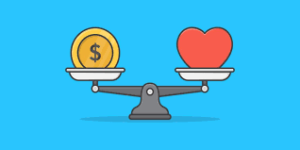
Spending money is rarely just about the numbers. Emotional triggers, subconscious biases, and social influences often play significant roles in our financial choices. The psychology of spending delves into the intricate relationship between emotions and money, helping individuals better understand their habits and make smarter financial choices.


How Emotions Drive Spending Decisions

  1. Retail Therapy
    • When people are stressed, sad, or anxious, they may turn to shopping as a way to cope with negative emotions. The act of purchasing can provide a temporary boost in mood, but it often leads to regret and financial strain later.
  2. FOMO (Fear of Missing Out)
    • Social media and peer pressure can create a sense of urgency to spend on experiences or items that others are enjoying. This emotional response can drive impulsive purchases that may not align with financial goals.
  3. Impulse Spending
    • The thrill of an unplanned purchase can provide immediate gratification. Retailers capitalize on this by offering limited-time deals or placing enticing items near checkout counters to trigger spontaneous buys.
  4. Status and Social Validation
    • Many people equate material possessions with social status. Purchasing high-end brands or luxury goods can be driven by a desire for validation or to impress others, even if it means overspending.
  5. Guilt Spending
    • Some individuals spend money to alleviate guilt, such as buying expensive gifts to make up for missed time with loved ones or overindulging their children to compensate for personal shortcomings.

Common Cognitive Biases in Spending

  1. Anchoring Effect
    • People tend to rely heavily on the first piece of information they see, such as the original price of an item compared to its sale price. This bias can make discounts appear more appealing, even if the purchase isn’t necessary.
  2. Loss Aversion
    • The fear of missing out on a deal or opportunity can lead to overspending. For example, flash sales and “limited stock” alerts exploit this bias to encourage quick purchases.
  3. Endowment Effect
    • Once people own something, they value it more than they would if they didn’t have it. This bias can lead to overspending on items they feel they “need” to complete or maintain their possessions.
  4. Sunk Cost Fallacy
    • Continuing to spend money on something because of previous investments, such as sticking with a costly subscription or membership, even when it no longer provides value.

Strategies to Make More Rational Spending Decisions

  1. Pause Before Purchasing
    • Implement a “24-hour rule” for non-essential purchases. This cooling-off period helps separate emotional impulses from genuine needs.
  2. Set a Budget for Discretionary Spending
    • Allocate a fixed amount for non-essential expenses each month. Knowing your limits can curb emotional overspending.
  3. Track Spending Habits
    • Use budgeting apps or spreadsheets to monitor where your money goes. Identifying patterns can highlight emotional spending triggers.
  4. Practice Mindful Spending
    • Before making a purchase, ask yourself:
      • Do I really need this?
      • Will this bring lasting value or joy?
      • Can I afford it without impacting my financial goals?
  5. Limit Exposure to Temptations
    • Unsubscribe from promotional emails, avoid browsing shopping apps during downtime, and steer clear of stores when feeling emotionally vulnerable.
  6. Focus on Experiences Over Things
    • Research shows that spending on experiences, such as travel or hobbies, often brings more lasting happiness than material possessions.
  7. Automate Savings
    • Set up automatic transfers to savings accounts or investment plans to prioritize your financial goals before discretionary spending.
  8. Seek Support or Accountability
    • Share your financial goals with a trusted friend, partner, or financial advisor who can help keep you on track and resist emotional spending urges.

The Broader Economic Impact of Emotional Spending

While emotional spending may seem like a personal issue, it has significant implications for the broader economy:

  • Increased Consumer Debt: Emotional spending contributes to rising credit card balances and financial stress.
  • Economic Cycles: High consumer spending can stimulate economic growth, but it can also lead to unsustainable debt cycles and economic instability.
  • Retail Strategies: Businesses design marketing tactics based on consumer psychology, creating a feedback loop that perpetuates emotional spending.

Conclusion: Mastering the Psychology of Spending

Understanding the emotional and psychological factors behind spending decisions is the first step toward financial empowerment. By recognizing triggers, challenging cognitive biases, and implementing mindful habits, individuals can break free from impulsive spending and align their financial choices with their long-term goals.

Money is a tool, not a source of validation or emotional relief. When managed with intention and self-awareness, it can provide not only security but also the freedom to create a life that truly brings fulfillment.


The Psychology of Debt: How Consumer Shapes Economic Trends

Debt is not just a financial concept; it’s deeply tied to human behavior, emotions, and decision-making. The psychology of debt explores how people perceive, acquire, and manage debt, and how their choices collectively shape broader economic trends. Understanding these dynamics is crucial for individuals, policymakers, and businesses to create healthier financial environments and more sustainable economic growth.


How Consumer Psychology Drives Debt Accumulation

  1. Instant Gratification vs. Delayed Gratification
    Many people prioritize immediate satisfaction over long-term financial stability. Credit cards and “buy now, pay later” options make it easy to acquire goods or experiences without considering the future financial implications. This short-term focus often leads to high debt levels.
  2. Social Comparison and Keeping Up with Peers
    Social pressures to match the lifestyles of peers can drive individuals to spend beyond their means. Seeing others with new cars, luxury vacations, or expensive gadgets can lead to overspending and debt accumulation, even if the financial reality is unsustainable.
  3. Optimism Bias
    People often underestimate future financial risks, believing they’ll earn more or face fewer challenges than they actually do. This optimism can lead to taking on more debt than is manageable, under the assumption that it will be easy to repay.
  4. Fear of Missing Out (FOMO)
    FOMO is a powerful motivator in consumer behavior, prompting individuals to spend on experiences or items to avoid feeling left out. This emotional drive can lead to impulsive spending and increased debt levels.
  5. Emotional Spending
    Many people use shopping as a way to cope with stress, sadness, or boredom. Emotional spending may provide temporary relief but often results in regret and debt.

The Role of Behavioral Economics in Debt Management

Behavioral economics provides insights into why people make irrational financial decisions, particularly concerning debt:

  1. Anchoring
    Consumers often fixate on initial price offers or minimum payment amounts, which can distort their understanding of overall costs. For example, focusing on a car’s monthly payment instead of its total cost can lead to taking on more debt than necessary.
  2. Default Options
    Many financial products are designed to encourage borrowing, such as credit cards with automatic increases in credit limits. Default settings can subtly nudge consumers toward behaviors that increase their debt levels.
  3. Loss Aversion
    The fear of losing access to certain lifestyles or goods can push people to use credit, even when it means taking on debt they can’t afford.

How Collective Consumer Debt Impacts the Economy

  1. Boosting Economic Growth
    Debt enables higher consumer spending, which drives economic activity. When people borrow to buy homes, cars, or other goods, it stimulates demand, supporting businesses and creating jobs.
  2. Economic Vulnerability
    High levels of consumer debt can make economies more vulnerable to downturns. During financial crises, heavily indebted households may cut spending drastically, leading to reduced economic activity and slower recovery.
  3. Influence on Interest Rates
    Central banks often consider consumer debt levels when setting interest rates. High debt can limit their ability to raise rates without causing widespread financial strain.
  4. Debt Cycles and Recessions
    Excessive borrowing can create bubbles in specific sectors (e.g., housing or credit markets). When these bubbles burst, it can lead to recessions, as seen in the 2008 financial crisis.

Strategies for Managing Debt Psychology

  1. Financial Education
    Teaching people about interest rates, budgeting, and debt management can empower them to make better financial decisions. Understanding the true cost of borrowing can deter impulsive spending.
  2. Mindful Spending
    Encouraging mindfulness around spending habits helps individuals align their purchases with their financial goals and values.
  3. Setting Clear Financial Goals
    Having specific, measurable financial goals can reduce the temptation to overspend. For example, saving for a vacation or retirement can motivate people to avoid unnecessary debt.
  4. Using Technology for Financial Awareness
    Apps and tools that track spending, categorize expenses, and provide debt repayment plans can help people stay on top of their financial health.
  5. Behavioral Nudges
    Financial institutions can design products that encourage better behaviors, such as higher default savings contributions or warnings about excessive credit card use.

The Intersection of Individual Behavior and Economic Trends

On a larger scale, the psychology of debt influences key economic indicators, such as:

  • Consumer Spending: High debt levels often sustain short-term economic growth but can lead to long-term instability.
  • Savings Rates: Societies with a higher tendency to save are less prone to economic bubbles but may experience slower growth.
  • Economic Recovery: During recessions, consumer behavior shifts as people focus on paying down debt, slowing recovery.

Conclusion

Debt is more than just a financial tool—it’s deeply tied to human emotions, biases, and behaviors. By understanding the psychology behind debt, individuals can make smarter financial choices, and policymakers can create systems that promote sustainable economic growth.

Balancing the need for economic stimulation through consumer spending with responsible borrowing is key to maintaining both personal and economic health. Recognizing and addressing the behavioral drivers of debt is a step toward financial stability for all.

National Debt: Its Role in Economic Growth: Burden or Necessity?

National debt often sparks heated debates among economists, policymakers, and citizens. While some view it as a dangerous burden threatening economic stability, others see it as a necessary tool for fostering growth and development. Understanding the role of national debt requires examining its purpose, impact, and long-term implications on an economy.


What is National Debt?

National debt, also known as public debt or government debt, is the total amount of money that a government borrows to fund its expenditures. This borrowing can occur through issuing bonds, taking loans from international organizations, or other means.

Governments typically incur debt for two main reasons:

  1. To finance public services, infrastructure, and social programs.
  2. To stimulate the economy during downturns by increasing spending when private sector activity slows.

The Case for National Debt as a Growth Driver

  1. Investment in Infrastructure and Development
    Borrowing allows governments to fund large-scale infrastructure projects, such as roads, schools, and hospitals, which can stimulate economic activity and create jobs. These investments often lead to long-term growth by enhancing productivity and improving living standards.
  2. Countering Economic Recessions
    During economic downturns, governments can borrow to implement fiscal stimulus programs, such as unemployment benefits and public works projects. These measures inject money into the economy, boost demand, and help avoid deeper recessions.
  3. Promoting Innovation and Technology
    National debt can fund research, education, and technology development, fostering innovation that drives economic progress. For instance, investments in renewable energy and digital infrastructure often rely on government funding.
  4. Low-Interest Rates Make Borrowing Cheap
    In periods of low interest rates, borrowing is relatively inexpensive, making it a strategic option for governments to finance growth without excessive repayment burdens.

The Risks and Challenges of National Debt

  1. Debt Servicing Costs
    As national debt grows, so do the costs of servicing it (paying interest). High debt servicing costs can divert funds from essential programs like healthcare and education.
  2. Crowding Out Private Investment
    Excessive government borrowing can lead to higher interest rates, discouraging private sector investments. This “crowding out” effect can limit economic growth in the long run.
  3. Risk of Sovereign Debt Crises
    If debt levels become unsustainable, countries may face difficulties repaying loans, leading to default or economic crises. This can erode investor confidence and result in long-term economic damage.
  4. Intergenerational Burden
    Accumulating debt today means future generations may bear the burden of repayment, potentially limiting their fiscal flexibility.

Striking a Balance: Sustainable Debt Levels

The key to leveraging national debt for economic growth lies in maintaining sustainable debt levels. A commonly used metric is the debt-to-GDP ratio, which compares a country’s debt to its economic output. While there is no universally agreed-upon threshold, a high ratio indicates potential vulnerability.

Countries with strong, stable economies often manage higher debt levels more effectively because they inspire confidence among lenders. Conversely, developing or politically unstable nations may struggle to borrow or face higher interest rates, increasing the risks of over-indebtedness.


Real-World Examples

  1. The United States
    The U.S. has one of the largest national debts globally, but its economy continues to grow. This is largely because the U.S. dollar is a global reserve currency, and its government bonds are considered a safe investment.
  2. Japan
    Japan’s debt-to-GDP ratio exceeds 200%, yet it maintains economic stability due to domestic ownership of its debt and a low-interest-rate environment.
  3. Greece
    In contrast, Greece’s debt crisis in the 2010s highlighted the dangers of unsustainable borrowing. High debt levels, combined with weak economic growth and limited fiscal discipline, led to severe austerity measures and economic hardship.

Conclusion: Burden or Necessity?

National debt can be both a burden and a necessity, depending on how it is managed. When used strategically, borrowing can drive economic growth, improve infrastructure, and support societal well-being. However, excessive or poorly managed debt can undermine economic stability and create long-term challenges.

The critical factor is responsible borrowing: governments must balance the need to invest in the present with the obligation to maintain fiscal health for future generations. By doing so, national debt can serve as a powerful tool for fostering economic resilience and prosperity.


Living Beyond Your Means: The Signs And How to Fix It

In today’s world of easy credit and endless consumer temptations, it’s all too common to spend more than you earn. While the occasional splurge may seem harmless, consistently living beyond your means can lead to financial stress, mounting debt, and limited opportunities to save for the future. Recognising the warning signs early is crucial to regaining control of your finances and building a more secure future.


Signs You’re Living Beyond Your Means

  1. You Rely on Credit Cards for Everyday Expenses
    If you frequently use credit cards to cover essentials like groceries, gas, or bills—and carry a balance from month to month—you’re likely spending more than your income allows.
  2. You Have Little or No Savings
    Living paycheck to paycheck, with no money set aside for emergencies or future goals, is a clear sign of financial overextension.
  3. Your Debt Balances Keep Growing
    Whether it’s credit card debt, personal loans, or unpaid bills, increasing debt indicates that your expenses are outpacing your ability to pay them off.
  4. You Can’t Afford to Miss a Paycheck
    If a sudden job loss or unexpected expense would leave you unable to meet your obligations, you’re operating on a financially precarious edge.
  5. You Spend More Than 30% of Your Income on Housing
    Housing costs—including rent, mortgage payments, utilities, and maintenance—should ideally be no more than 30% of your income. Spending beyond this can strain your ability to cover other expenses.
  6. You Frequently Borrow from Friends or Family
    Regularly asking for financial help from loved ones can signal that your expenses exceed what you can sustainably manage.
  7. Your Budget Feels Nonexistent or Ineffective
    If you don’t have a budget or find yourself constantly overspending it, it’s time to reassess your financial habits.
  8. You Can’t Say No to Impulse Purchases
    Consistently indulging in non-essential items, whether it’s dining out, shopping, or luxury experiences, can quickly erode your financial stability.

How to Fix It

  1. Assess Your Current Financial Situation
    Start by tracking your income and expenses for at least a month. Use budgeting apps or a simple spreadsheet to categorize your spending and identify areas where you can cut back.
  2. Create a Realistic Budget
    Build a budget that allocates your income toward necessary expenses, savings, and discretionary spending. Stick to the 50/30/20 rule:
    • 50% for needs (housing, food, utilities).
    • 30% for wants (entertainment, dining out).
    • 20% for savings and debt repayment.
  3. Prioritize Paying Off Debt
    Focus on reducing high-interest debt first while making minimum payments on other obligations. Strategies like the debt snowball or debt avalanche can help you pay off balances systematically.
  4. Build an Emergency Fund
    Set aside at least 3–6 months’ worth of living expenses in a savings account. Start small, even if it’s $10 a week, and let the fund grow over time.
  5. Downsize Where Possible
    Consider reducing major expenses like housing, transportation, or subscription services. For example, moving to a smaller home or opting for public transportation can free up significant cash flow.
  6. Learn to Delay Gratification
    Practice waiting before making non-essential purchases. Create a “wish list” and revisit it after a week or month to see if you still feel the same urge to buy.
  7. Increase Your Income
    Explore opportunities to boost your income, such as taking on a side gig, freelancing, or negotiating a raise at work. Additional income can help cover expenses and pay down debt faster.
  8. Avoid Lifestyle Inflation
    As your income increases, resist the temptation to upgrade your lifestyle. Instead, channel extra earnings into savings or debt repayment.
  9. Use Cash or Debit Instead of Credit
    Pay for everyday expenses with cash or a debit card to stay within your means and avoid accumulating more debt.
  10. Seek Professional Guidance
    If you’re overwhelmed, consider consulting a financial advisor or credit counselor. They can provide personalized strategies to help you regain control of your finances.

The Benefits of Living Within Your Means

Making the shift to living within your means isn’t just about avoiding debt—it’s about creating financial freedom and security. The benefits include:

  • Reduced Stress: Financial stability brings peace of mind.
  • More Savings: You can save for emergencies, retirement, and life goals.
  • Greater Flexibility: With less debt, you’ll have more options for future investments or opportunities.

Final Thoughts

Living beyond your means can feel manageable in the short term, but it often leads to long-term financial challenges. By identifying the warning signs and taking proactive steps to adjust your spending habits, you can achieve greater financial stability and set yourself up for future success.

Remember, small changes can lead to big improvements over time. Start today by examining your financial habits and making choices that align with your goals and income. Your future self will thank you!


Managing Debt Smartly: The Role of Credit Scores

managing debt smartly

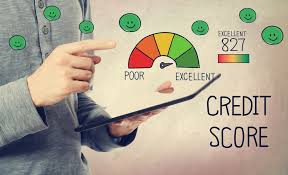
Your credit score is more than just a number—it’s a key indicator of your financial health and plays a crucial role in how you go about managing debt smartly. Understanding your credit score, how it impacts your borrowing options, and what you can do to improve it is essential for being debt smart.


What Is a Credit Score?

A credit score is a numerical representation of your creditworthiness, typically ranging from 300 to 850. It’s calculated based on your financial behaviors, such as how you manage credit cards, loans, and other debts. Lenders use this score to evaluate the risk of lending to you.

The factors influencing your credit score include:

  • Payment History (35%): Timely payments are the most significant factor. Late or missed payments can lower your score.
  • Credit Utilization (30%): This measures how much of your available credit you’re using. High utilization can signal financial strain.
  • Credit History Length (15%): A longer credit history demonstrates your ability to manage debt over time.
  • Credit Mix (10%): Having a variety of credit types (e.g., credit cards, loans) can boost your score.
  • New Credit Inquiries (10%): Frequent applications for new credit can lower your score temporarily.

Why Is Your Credit Score Important for Debt Management?

  1. Determines Borrowing Costs
    A higher credit score often qualifies you for lower interest rates on loans and credit cards, reducing the overall cost of borrowing. For example, a person with excellent credit may secure a mortgage rate that saves thousands of dollars over the loan’s term compared to someone with poor credit.
  2. Affects Loan Approval
    Lenders use your credit score to decide whether to approve your application. A low score can result in loan denials or higher down payment requirements.
  3. Impacts Debt Consolidation Options
    If you’re considering consolidating debts, a strong credit score can help you qualify for favorable terms, such as lower interest rates on personal loans or balance transfer credit cards.
  4. Influences Emergency Borrowing
    Unexpected expenses can force you to rely on credit. A good credit score ensures you can access financial support when you need it without exorbitant costs.

Tips to Maintain or Improve Your Credit Score

  1. Pay Bills on Time
    Set up automatic payments or reminders to avoid late payments, which can significantly impact your score.
  2. Keep Credit Utilization Low
    Aim to use less than 30% of your available credit. For instance, if your credit limit is $10,000, try to keep your balance below $3,000.
  3. Avoid Opening Too Many New Accounts
    While new credit can diversify your credit mix, too many inquiries in a short period can harm your score.
  4. Monitor Your Credit Report
    Check your credit report regularly to identify errors or signs of fraud. You can access one free credit report per year from each of the three major credit bureaus: Experian, Equifax, and TransUnion.
  5. Pay Down Debt Strategically
    Focus on paying off high-interest debt first while making at least the minimum payments on other accounts to prevent late fees.
  6. Keep Old Accounts Open
    Closing older credit accounts can shorten your credit history and potentially lower your score. If there’s no annual fee, consider keeping them open.

How Credit Scores Help You Be Debt Smart

By maintaining a strong credit score, you’ll have access to better borrowing opportunities, which can save you money and reduce financial stress. You’ll also have the flexibility to manage your debt strategically, whether by refinancing high-interest loans, consolidating debt, or securing favorable rates for future purchases.

Taking the time to understand and improve your credit score is an investment in your financial future. It’s a critical tool for staying on top of debt and achieving your long-term financial goals.


Final Thoughts

Your credit score is a powerful ally in managing debt smartly. With consistent effort and informed decision-making, you can keep your score healthy, minimize borrowing costs, and create a solid foundation for financial success. Start today by reviewing your credit report and taking steps to improve areas where you can make an impact.

Personal Budgeting And its Role in Avoiding Debt Consolidation

Managing multiple debts can feel overwhelming, but personal budgeting is a powerful tool to regain control of your finances and avoid the need for debt consolidation. A well-structured budget helps you prioritize debt repayment, prevent overspending, and allocate resources effectively. Here’s how personal budgeting can serve as an alternative to consolidating debt.


1. Understanding Your Financial Situation

  • Why It Matters: Before creating a budget, you need to know where you stand financially. This awareness helps identify opportunities to reduce expenses and allocate funds toward debt repayment.
  • How to Do It:
    • List all sources of income.
    • Track all expenses, including fixed (rent, utilities) and variable (entertainment, dining out) costs.
    • Calculate your total monthly debt payments, including credit cards, loans, and other obligations.

2. Prioritize High-Interest Debts

  • Why It Matters: Paying off high-interest debts first reduces the total amount of interest you’ll pay over time, saving money and accelerating debt elimination.
  • How to Do It:
    • Use the debt avalanche method by prioritizing debts with the highest interest rates while making minimum payments on others.
    • Alternatively, consider the debt snowball method if you need the motivation of quick wins by paying off smaller balances first.

3. Allocate a Debt Repayment Fund

  • Why It Matters: Setting aside a specific amount each month for debt repayment ensures you’re consistently making progress.
  • How to Do It:
    • Determine a fixed percentage of your income to allocate toward debt.
    • Treat debt repayment as a non-negotiable expense, just like rent or utilities.

4. Cut Back on Non-Essential Spending

  • Why It Matters: Reducing discretionary expenses frees up more money for debt repayment.
  • How to Do It:
    • Identify areas where you can cut back, such as dining out, subscriptions, or entertainment.
    • Reallocate these savings to your debt repayment fund.

5. Create a Realistic Emergency Fund

  • Why It Matters: An emergency fund prevents you from relying on credit during unexpected expenses, which can lead to further debt.
  • How to Do It:
    • Start with a small goal, such as $500–$1,000, to cover minor emergencies.
    • Save gradually by setting aside a portion of your income each month.

6. Set Short-Term and Long-Term Goals

  • Why It Matters: Clear financial goals keep you motivated and focused on avoiding debt consolidation.
  • How to Do It:
    • Define short-term goals, such as paying off one credit card or saving for a specific expense.
    • Set long-term goals, like becoming debt-free within a certain number of years.

7. Track Progress Regularly

  • Why It Matters: Monitoring your budget ensures you’re staying on track and allows for adjustments if necessary.
  • How to Do It:
    • Review your budget monthly to compare actual spending with planned expenses.
    • Use apps or tools to automate tracking and make it easier to spot trends.

8. Avoid New Debt

  • Why It Matters: Adding more debt while repaying existing obligations undermines your progress.
  • How to Do It:
    • Use cash or debit for everyday purchases to avoid relying on credit cards.
    • Postpone large purchases until you’ve saved enough to pay in full.

9. Increase Your Income

  • Why It Matters: Boosting your earnings provides extra funds to accelerate debt repayment.
  • How to Do It:
    • Take on a side gig, freelance work, or a part-time job.
    • Sell unused items or explore passive income opportunities.

10. Celebrate Milestones

  • Why It Matters: Recognizing progress keeps you motivated and reinforces positive financial habits.
  • How to Do It:
    • Reward yourself when you pay off a significant portion of debt, but keep it modest and within your budget.
    • Share your progress with a trusted friend or family member for additional encouragement.

Conclusion

Personal budgeting is a powerful strategy to avoid the need for debt consolidation. By creating a clear financial plan, cutting unnecessary expenses, and prioritizing debt repayment, you can regain control of your finances and work toward becoming debt-free. The key is consistency, discipline, and a commitment to making budgeting an integral part of your financial routine. With a strong plan in place, you can eliminate debt without taking on additional loans or consolidation solutions.

Filing for Bankruptcy: When It’s the Only Alternative

Bankruptcy is often viewed as a last resort for dealing with overwhelming debt. While it’s not an easy decision, it can provide a fresh financial start when no other options are viable. Understanding what filing for bankruptcy entails, its implications, and when it might be the right choice is essential before proceeding down this path.


1. What is Bankruptcy?

  • Bankruptcy is a legal process that provides relief to individuals or businesses unable to repay their debts. It allows for either the discharge of debts or a structured repayment plan under court supervision.
  • The most common types for individuals are:
    • Chapter 7: Liquidation bankruptcy, where non-exempt assets are sold to pay creditors, and most remaining debts are discharged.
    • Chapter 13: Reorganization bankruptcy, where you create a court-approved repayment plan to pay off debts over 3–5 years.

2. When is Bankruptcy the Right Choice?

  • Bankruptcy may be the best option when:
    • Your debts far exceed your income and assets.
    • You’re unable to keep up with minimum payments or negotiate manageable terms with creditors.
    • Your wages are being garnished or you’re facing lawsuits from creditors.
    • Alternatives like debt management plans or settlement have failed or are not feasible.

3. The Pros of Filing for Bankruptcy

  • Debt Relief: Chapter 7 can eliminate most unsecured debts, such as credit cards and medical bills, giving you a clean slate.
  • Legal Protection: Filing for bankruptcy immediately halts collection actions, lawsuits, and wage garnishments through an automatic stay.
  • Structured Repayment: Chapter 13 allows you to catch up on secured debts, like mortgage or car loans, while protecting your assets.
  • Fresh Start: Bankruptcy offers an opportunity to rebuild your financial life without the burden of insurmountable debt.

4. The Cons of Filing for Bankruptcy

  • Credit Impact: Bankruptcy remains on your credit report for 7–10 years, significantly lowering your credit score and limiting access to loans or credit.
  • Loss of Assets: In Chapter 7, some assets may be liquidated to pay creditors, depending on exemptions available in your state.
  • Public Record: Bankruptcy filings are public, which can be uncomfortable for some individuals.
  • Costs: Filing for bankruptcy involves court fees, attorney fees, and mandatory credit counseling costs.

5. Alternatives to Bankruptcy

  • Debt Management Plans: Work with a credit counselor to create a structured plan to repay debts.
  • Debt Settlement: Negotiate with creditors to settle debts for less than the full amount owed.
  • Budget Optimization: Identify ways to free up money for debt repayment by cutting unnecessary expenses or increasing income.
  • Refinancing: Consider refinancing loans to secure lower interest rates or more favorable terms.

6. How to File for Bankruptcy

  • Consult an Attorney: A bankruptcy attorney can guide you through the process and determine which type of bankruptcy is right for you.
  • Mandatory Counseling: You must complete a credit counseling course from an approved agency before filing.
  • File a Petition: Submit the required paperwork to the bankruptcy court, including details about your income, debts, assets, and expenses.
  • Attend a Meeting of Creditors: This is a hearing where creditors can ask questions about your financial situation and filing.
  • Follow Court Instructions: Adhere to the repayment plan (Chapter 13) or fulfill other court-mandated obligations (Chapter 7).

7. Rebuilding After Bankruptcy

  • Start Fresh: Focus on rebuilding your financial health by creating a budget and saving for emergencies.
  • Use Credit Wisely: Consider using secured credit cards or small loans to rebuild your credit history responsibly.
  • Monitor Progress: Regularly check your credit report to track improvements and ensure accurate reporting of your bankruptcy.

Conclusion

Bankruptcy is a serious decision with significant consequences, but it can also provide a pathway to financial stability for those facing insurmountable debt. It’s important to weigh all alternatives carefully and seek professional advice before making a decision. While the process may seem daunting, many individuals who file for bankruptcy emerge with a stronger financial foundation and the ability to rebuild their lives.

Can You Turn Poor Credit into Strong Credit?

Having poor credit can feel overwhelming, but it’s entirely possible to improve your financial standing and turn your situation around. While it requires time, discipline, and consistent effort, rebuilding your financial reputation can open doors to better opportunities. Here’s a step-by-step guide to transform poor credit into strong financial health.


1. Understand Your Financial Situation

  • Why It Matters: You can’t fix what you don’t fully understand. Knowing your current score and what’s affecting it helps you identify areas for improvement.
  • How to Do It:
    • Check your score through free tools or reporting agencies.
    • Obtain a free copy of your report from AnnualCreditReport.com.
    • Review the report for negative items such as late payments, high balances, or collections.

2. Dispute Errors on Your Report

  • Why It Matters: Inaccurate information can unfairly lower your score.
  • How to Do It:
    • Look for errors like incorrect account balances, duplicate accounts, or payments marked as late that were actually on time.
    • Dispute inaccuracies directly with the reporting agencies (Experian, Equifax, TransUnion) online or in writing.
    • Provide documentation to support your claim, such as payment receipts or correspondence with lenders.

3. Pay Bills on Time

  • Why It Matters: Payment history is the most significant factor affecting your financial score, making timely payments essential for improvement.
  • How to Do It:
    • Set up automatic payments for recurring bills to avoid missed due dates.
    • Use calendar reminders or payment tracking apps to ensure timely payments.
    • If you’re behind on payments, prioritize catching up to bring accounts current.

4. Reduce Outstanding Balances

  • Why It Matters: High usage of revolving accounts can drag down your score.
  • How to Do It:
    • Aim to keep usage below 30%, and ideally under 10%, for maximum improvement.
    • Pay down balances strategically, starting with accounts that have the highest utilization rates.
    • Avoid maxing out revolving accounts, even if you plan to pay them off monthly.

5. Negotiate with Lenders

  • Why It Matters: Lenders may be willing to work with you to make your payments more manageable, preventing further damage to your financial health.
  • How to Do It:
    • Contact lenders to request lower interest rates, payment plans, or debt settlements.
    • Ask for a “pay-for-delete” agreement, where negative marks are removed in exchange for full or partial payment.

6. Use a Secured Card

  • Why It Matters: Secured cards are designed for individuals with poor financial history and can help you rebuild your reputation.
  • How to Do It:
    • Apply for a secured card, which requires a refundable deposit that acts as your spending limit.
    • Use the card responsibly by making small purchases and paying off the balance in full each month.
    • Monitor account activity to ensure your usage reflects positively on your report.

7. Diversify Your Accounts

  • Why It Matters: A mix of account types (e.g., revolving accounts, personal loans, auto loans) can boost your score by showing lenders you can handle various forms of debt responsibly.
  • How to Do It:
    • Consider a small personal loan or credit-builder loan if you don’t have diverse accounts.
    • Avoid opening too many accounts at once, as this can temporarily lower your score due to hard inquiries.

8. Be Patient and Consistent

  • Why It Matters: Improvement takes time, and consistent positive behavior is necessary to rebuild trust with lenders and reporting agencies.
  • How to Do It:
    • Commit to making on-time payments and keeping balances low over the long term.
    • Avoid taking on unnecessary debt while focusing on improving your financial habits.

9. Work with a Counselor

  • Why It Matters: Professional counseling can provide personalized guidance and strategies to help you manage debt and improve your score.
  • How to Do It:
    • Look for a nonprofit counseling agency accredited by the National Foundation for Credit Counseling (NFCC).
    • Participate in a debt management program (DMP) if needed, which can simplify payments and negotiate better terms with creditors.

10. Monitor Your Progress

  • Why It Matters: Tracking your score and report regularly helps you see the results of your efforts and stay motivated.
  • How to Do It:
    • Use free monitoring tools to check your score monthly.
    • Celebrate small milestones, such as paying off a debt or achieving a higher score bracket.

Conclusion

Transforming poor credit into strong financial standing is a gradual process that requires dedication and consistency. By understanding your situation, addressing negative factors, and practicing responsible financial habits, you can steadily improve your score. Remember, every positive step you take—no matter how small—brings you closer to achieving a strong financial reputation and the benefits it provides.

Good Credit Habits to Practice Daily

Maintaining good credit habits requires consistent effort and responsible financial behavior. By incorporating simple habits into your daily routine, you can build and sustain a strong credit score, which opens doors to better financial opportunities. Here are some practical tips to keep your credit healthy.


1. Monitor Your Credit Regularly

  • Why It Matters: Regularly checking your credit report helps you catch errors, identify signs of fraud, and stay informed about your credit status.
  • How to Do It:
    • Use free credit monitoring services or request a free credit report from AnnualCreditReport.com.
    • Check for inaccuracies, such as incorrect account balances or unauthorized accounts, and dispute them promptly.

2. Pay Your Bills on Time

  • Why It Matters: Payment history is the most significant factor affecting your credit score, making timely payments essential for maintaining good credit.
  • How to Do It:
    • Set up automatic payments for recurring bills like loans, credit cards, and utilities.
    • Use payment reminders on your phone or through your banking app to avoid missing due dates.

3. Keep Your Credit Utilization Low

  • Why It Matters: Credit utilization (the ratio of your credit card balances to your credit limits) directly impacts your credit score.
  • How to Do It:
    • Aim to keep your credit utilization below 30%, and ideally under 10%, for the best results.
    • Pay off balances in full each month or make multiple small payments throughout the billing cycle.

4. Avoid Unnecessary Credit Applications

  • Why It Matters: Each hard inquiry from a credit application can lower your score slightly and stay on your report for up to two years.
  • How to Do It:
    • Apply for credit only when necessary, such as for a mortgage or auto loan.
    • Research lenders and prequalify for offers to minimize hard inquiries.

5. Use Credit Responsibly

  • Why It Matters: Proper use of credit demonstrates reliability to lenders and helps build a positive credit history.
  • How to Do It:
    • Use your credit card for routine purchases you can afford, such as groceries or gas.
    • Avoid maxing out your credit cards, even if you plan to pay the balance in full.

6. Diversify Your Credit Mix

  • Why It Matters: A mix of different types of credit (e.g., credit cards, auto loans, mortgages) can improve your credit score by showing lenders you can handle various forms of credit.
  • How to Do It:
    • Only take on new types of credit if it aligns with your financial needs and goals.
    • Maintain a balance between revolving credit (e.g., credit cards) and installment loans (e.g., student or personal loans).

7. Avoid Closing Old Credit Accounts

  • Why It Matters: The length of your credit history affects your score, and older accounts contribute positively to this factor.
  • How to Do It:
    • Keep old accounts open, even if you don’t use them frequently, to maintain your credit history.
    • Use older credit cards occasionally for small purchases to keep them active.

8. Set a Credit Usage Budget

  • Why It Matters: Having a clear budget prevents overspending and ensures you can pay off your credit card balances on time.
  • How to Do It:
    • Allocate a portion of your monthly budget specifically for credit card spending.
    • Track your expenses regularly to ensure you stay within your limits.

9. Be Cautious About Co-Signing Loans

  • Why It Matters: Co-signing makes you equally responsible for the debt, and missed payments can damage your credit score.
  • How to Do It:
    • Only co-sign if you trust the borrower and are confident they will make timely payments.
    • Monitor the account activity to ensure payments are being made.

10. Educate Yourself on Credit Basics

  • Why It Matters: Understanding how credit works empowers you to make informed financial decisions that positively impact your credit score.
  • How to Do It:
    • Read about credit-related topics, such as how credit scores are calculated and how different actions affect your score.
    • Stay updated on changes in credit reporting policies or laws that might impact you.

Conclusion

Good credit habits require discipline and consistency, but the rewards are worth the effort. By paying bills on time, monitoring your credit, and using credit responsibly, you can maintain a strong credit profile and enjoy the financial benefits it brings. Remember, building and preserving good credit is a lifelong process—small, daily actions can make a big difference over time.

How to Negotiate a Payment Plan with Creditors

payment plan

If you’re struggling to manage your debt or facing financial difficulties, negotiating a payment plan with your creditors can help you regain control of your finances. Creditors are often willing to work with you to avoid defaults or further complications. Here’s a step-by-step guide to help you successfully negotiate a manageable payment plan.


1. Assess Your Financial Situation

  • Why It Matters: Knowing how much you can realistically afford to pay helps you propose a payment plan that works for you and shows creditors you’ve thought through your financial obligations.
  • How to Do It:
    • List your monthly income and expenses to determine your disposable income.
    • Identify non-essential expenses you can cut to free up money for debt payments.
    • Calculate a specific amount you can commit to paying regularly.

2. Organize Your Debt Information

  • Why It Matters: Having a clear understanding of your debts ensures accurate communication with creditors.
  • What to Gather:
    • Account numbers and outstanding balances.
    • Interest rates and payment due dates.
    • Recent statements and payment history.
  • Tip: Create a spreadsheet or document to track all your debts and payment plans.

3. Contact Your Creditor Promptly

  • Why It Matters: Reaching out before you fall too far behind demonstrates responsibility and increases the chances of favorable terms.
  • How to Do It:
    • Call the creditor’s customer service line and ask to speak with the billing or hardship department.
    • Explain your financial situation honestly and request to discuss alternative payment arrangements.

4. Be Honest and Transparent

  • Why It Matters: Creditors are more likely to cooperate if they understand the challenges you’re facing and your commitment to resolving the issue.
  • What to Say:
    • “I’m currently experiencing financial difficulties due to [reason], but I want to find a solution to stay current on my payments.”
    • “I’d like to explore payment plan options that align with my current budget.”

5. Propose a Realistic Payment Plan

  • Why It Matters: Offering a plan that aligns with your budget and creditor expectations increases the likelihood of acceptance.
  • How to Do It:
    • Suggest a monthly payment amount that fits within your budget.
    • Offer to pay a lump sum if you have savings and can negotiate a reduced overall balance.
    • Ask for specific terms, such as reduced payments for a temporary period or extended payment deadlines.

6. Request Reduced Fees or Interest

  • Why It Matters: Lowering interest rates or waiving late fees can make your payment plan more manageable.
  • How to Do It:
    • Politely ask if they can reduce the interest rate during the repayment period.
    • Request a waiver of late fees or penalties as a goodwill gesture.

7. Consider a Hardship Program

  • Why It Matters: Many creditors offer hardship programs for individuals facing genuine financial challenges.
  • How to Do It:
    • Inquire about any formal hardship programs the creditor offers.
    • Be prepared to provide documentation, such as proof of income or medical bills, to qualify.

8. Get Everything in Writing

  • Why It Matters: Written agreements protect you from misunderstandings or changes in terms.
  • How to Do It:
    • Request written confirmation of the payment plan, including payment amounts, deadlines, and any changes in fees or interest.
    • Review the document carefully to ensure it matches what was agreed upon before making payments.

9. Stay Committed to the Plan

  • Why It Matters: Following through on the agreed terms builds trust with creditors and helps improve your financial standing.
  • How to Do It:
    • Set up automatic payments or reminders to avoid missing due dates.
    • Contact the creditor immediately if you foresee difficulty meeting a payment.

10. Know When to Seek Help

  • Why It Matters: If you’re unable to negotiate on your own, professional assistance can provide additional support.
  • Options:
    • Work with a credit counseling agency to develop a debt management plan and negotiate with creditors on your behalf.
    • Consult with a financial advisor for personalized guidance on managing your debts.

Tips for Successful Negotiation

  • Be Polite and Professional: A respectful tone can improve the creditor’s willingness to work with you.
  • Be Persistent: If your initial request is denied, don’t hesitate to escalate the matter or try again.
  • Prioritize High-Interest Debt: Focus on negotiating payment plans for debts with the highest interest rates first to minimize overall costs.

Conclusion

Negotiating a payment plan with creditors can provide the relief you need to manage your debt effectively. By preparing thoroughly, being honest about your situation, and proposing realistic terms, you can create a plan that works for both you and your creditors. Remember, staying proactive and committed to the payment plan is essential to achieving financial stability.